

Key Takeaways
- SEO fundamentals remain your foundation: Understanding search intent, creating E-E-A-T content (Experience, Expertise, Authoritativeness, Trustworthiness), and ensuring excellent user experience are still essential for success in 2025, driving higher rankings, stronger visibility, and increased qualified traffic.
- AI Optimization (AIO) is an umbrella strategy that encompasses GEO and AEO. In addition to traditional SEO, your content now needs to be optimized for both Google search and AI systems. This means applying Generative Engine Optimization (GEO) to ensure AI models surface and cite your content, and Answer Engine Optimization (AEO) to structure your content so it can be pulled into direct answers.
- Structure content for dual discovery: Use clear headings, FAQ sections, credible citations, and direct answers to questions so both search engines and AI systems can easily understand, extract, and recommend your content.
The Shift Business Owners Can’t Ignore
If you already have an SEO strategy in place, the emergence of AI in search has probably left you wondering: Do I need to start over? Change everything? Just make some smart tweaks?
Here’s the truth: AI hasn’t thrown out the SEO playbook; it’s just added another chapter. For business owners and marketers, understanding what has stayed the same, what has changed, and what now deserves top priority is essential to maintaining and growing your online visibility.
The challenge is that AI-driven search is changing how people find answers and recommendations; however, the solution is straightforward: a modified approach that optimizes for AI, search engines, AND human readers alike.
The Fundamentals of SEO Have NOT Changed
Before we dive into what’s new, let’s address what hasn’t budged: understanding and satisfying user search intent, creating content that demonstrates E-E-A-T (Experience, Expertise, Authoritativeness, Trustworthiness), and ensuring an excellent user experience. These fundamentals, which have driven successful search strategies for years, remain the foundation for your search strategies today.
Google’s algorithms may evolve, and AI may change how people search, but the deeper principles that make content discoverable and valuable haven’t shifted. Learn more about these timeless SEO fundamentals in our latest guide.
As always, the winning formula comes down to creating relevant, helpful, user-centered content that genuinely serves your audience’s needs. The fundamental requirement of providing real value to real people remains unchanged with the introduction of AI in the customer journey.
What’s Different? How AI Is Changing the SEO Landscape?
The advent of AI means your content now faces a dual challenge: it must excel in traditional search rankings AND stand out amidst an explosion of easily generated content. To be chosen as a trusted source by AI systems, your content needs to be meticulously structured, uniquely insightful, and highly authoritative.
This means prioritizing certain strategies to ensure your business appears in search results, whether someone asks Google directly or prompts LLMs like ChatGPT or Perplexity for recommendations in your industry.
To capitalize on this shift and continue seeing business growth, you need to focus on creating content that AI systems can easily understand, cite, and recommend to users seeking solutions in your space.
What Should You Prioritize?
Your priorities should focus on two key areas:
- Continue mastering and implementing SEO fundamentals: These remain the foundation for reaching the right audiences and ensuring they can find you.
- Begin shifting your focus toward AI Optimization (AIO): This is your comprehensive approach to modern search visibility.
AIO combines two major strategies:
- Generative Engine Optimization (GEO): Making your content the source that AI chatbots like ChatGPT, Claude, and Perplexity reference and recommend when users ask questions related to your industry. This means creating comprehensive, authoritative content that directly answers common industry questions with specific examples, data, and actionable insights that AI systems can confidently cite.
- Answer Engine Optimization (AEO): Structuring your content with clear headings, concise answers, and logical formatting so AI tools can easily extract and deliver direct responses to specific questions. Use elements such as FAQ sections, step-by-step guides, bulleted lists of key points, and summary boxes that AI can quickly scan and extract information from.
Why Should You Care About Optimizing for AI?
Put simply, this shift affects your business’s online visibility. Your customers are increasingly turning to AI tools for recommendations, research, and answers. According to a Higher Visibility agency survey, about 71.5% reported using AI tools for search; 14% use them daily in 2025, making online search one of the industries most impacted by AI adoption.
If your business isn’t showing up when someone asks ChatGPT for the best solutions in your industry, you’re missing potential customers. For example, these are some of the prompts people are using to find what they need:
- “Highest rated barbers that offer men’s haircuts under $50 within a 20-minute drive of Litchfield, CT.”
- “Coffee shops near me that are good for remote working and offer comfortable lounging areas”
- “Best Italian restaurant with an ocean view near West Palm Beach, Florida.”
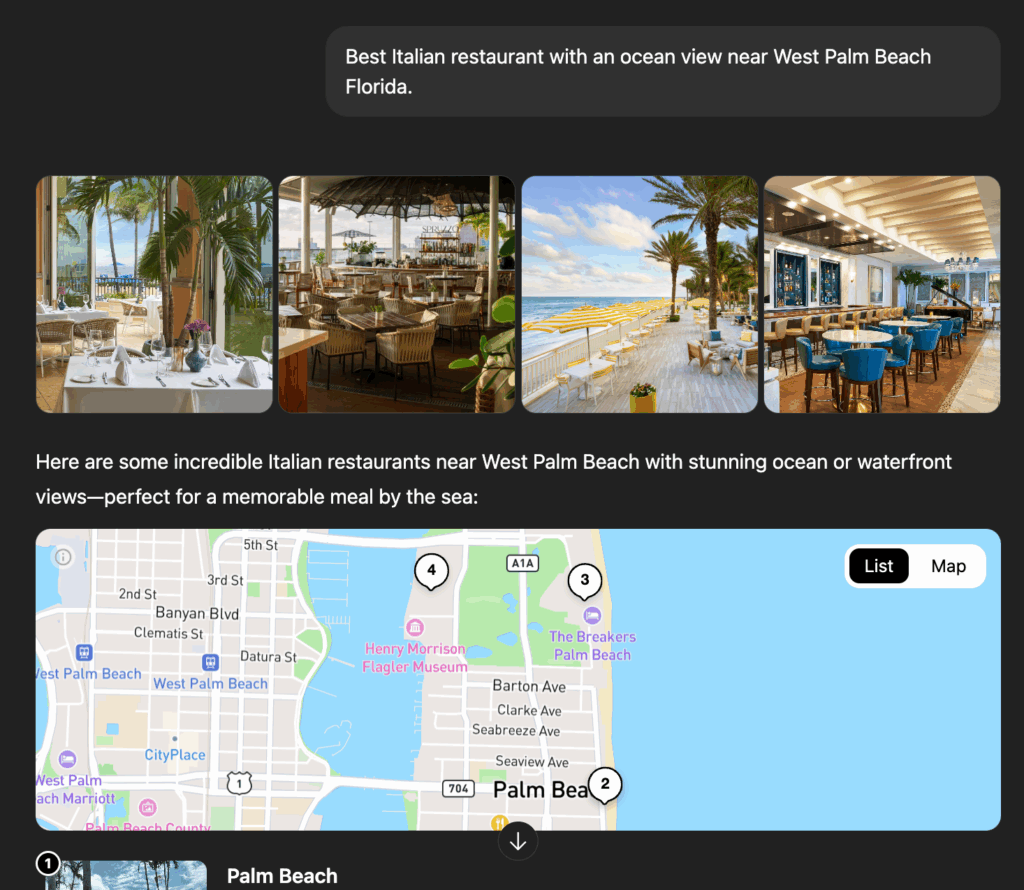
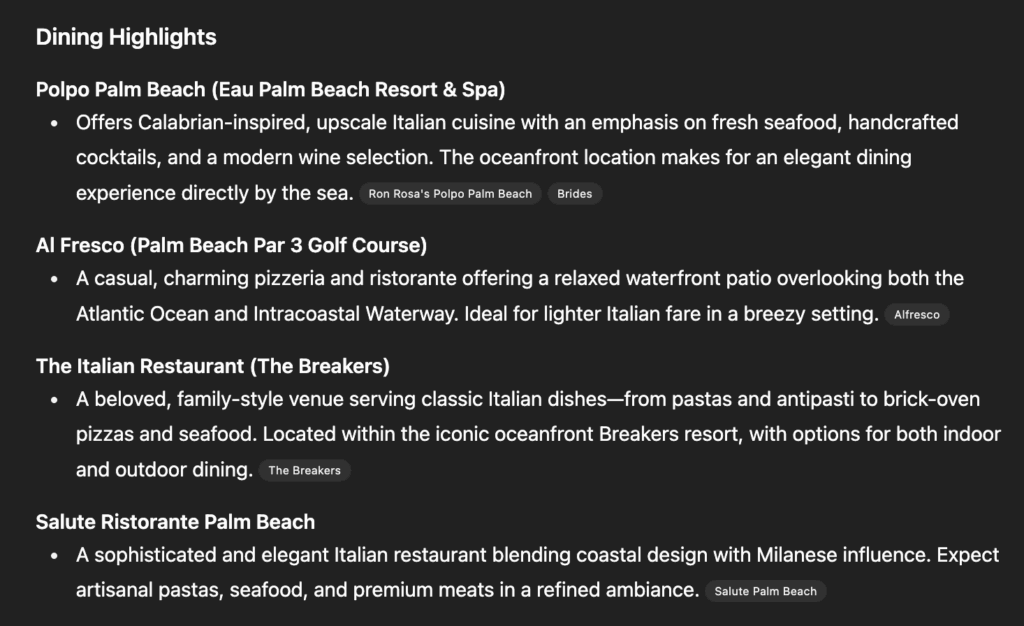
Key point: AI isn’t replacing SEO, it’s reshaping how people discover businesses online. The companies that will continue to grow and dominate their markets will be those that adapt their content strategies to work with both search engines and AI systems. Even if you’ve never done SEO before, now is the time to start thinking about how your content can work harder and serve both audiences.
Your takeaway should be clear: prioritize strategies that will help you rank in AI, as part of your new roadmap for visibility and growth. This isn’t about mastering complex technical skills overnight. It’s about creating content that answers your customers’ questions clearly and authoritatively, whether they find you through Google or through an AI recommendation.
11 Practical Ways to Adapt Your SEO Strategy for the AI Era
Ready to make your SEO stronger for 2025? Here are the specific actions you can take to improve your SEO results and ensure your content works for both traditional search engines and AI systems:
1) Create original, experience-driven content
Share lived experience and unique perspectives through comparisons, pros and cons analyses, or case studies from your own work. Original data, research, or commentary helps you stand out from competitors and AI-generated content.
2) Write the way people actually talk
Use natural, conversational language and cut unnecessary fluff. Clear, direct communication is rewarded by search engines, AI systems, and readers alike.
3) Solve specific reader problems
Ensure every piece of content addresses a real pain point. Show readers exactly how your insights help them overcome challenges or reach their goals.
4) Use relatable stories and examples
Stories that connect to readers’ experiences demonstrate expertise and build trust. AI also recognizes the value of practical, real-world applications.
5) Structure content for direct answers
Use FAQs, summaries, and clear subheadings that let both readers and AI quickly find information. This makes your content more discoverable across platforms.
6) Start with key takeaways and navigation
Summarize main points at the top and include a table of contents for longer articles. These elements improve user experience and help AI interpret your content structure.
7) Incorporate multimedia with context
Support your text with charts, videos, and images. Use descriptive alt text and captions so Google and AI can understand your visuals.
8) Cite credible sources and data
Reference authoritative studies, statistics, and trusted sources to back up your claims. This strengthens your expertise and visibility in AI-driven search.
9) Distribute content across multiple platforms
Repurpose blogs into LinkedIn posts, YouTube explainers, or Reddit discussions. AI models pull from many sources beyond your website, so visibility requires a multi-channel approach.
10) Prioritize high-performing formats
Focus on listicles, how-to guides, case studies, comparisons, and expert roundups. These formats align with how people search and how AI systems structure responses.
11) Use structured data and schema
Add schema markup for FAQs, how-tos, articles, and reviews. Structured data helps AI and search engines better understand your content.
Tools to Help You Win in AI-First Search
The strategies above are most effective when supported by the right tools. Having the right technology stack can make the difference between content that gets buried and content that AI systems consistently reference. Check out our comprehensive guide to the 9 SEM Tools You Need for Your Search Marketing Strategy for a deeper dive into optimizations for your business.
Keyword Research & Question Mapping:
- Semrush: Comprehensive keyword research and competitor analysis to identify high-value search terms and content gaps in your industry
- Surfer: Content optimization platform that analyzes top-ranking pages and provides specific recommendations for improving your content structure and keyword usage
- AlsoAsked: Question research tool that reveals the specific questions people ask about your topics, perfect for creating FAQ sections and direct-answer content
AI Content Testing:
- Perplexity: Test how AI systems interpret and present your content by asking questions about your topics and seeing which sources get cited
- Writesonic: AI-powered content analysis that helps you understand how well your content aligns with what AI systems look for when generating responses
Citation Tracking:
- Ahrefs Brand Radar: Monitor when AI systems cite or reference your content in their responses, giving you visibility into which pieces earn AI citations and why
For businesses seeking personalized guidance on implementing these strategies, Brandmark Studios offers comprehensive marketing agency support tailored to your specific industry and objectives. Our team specializes in helping businesses navigate the intersection of traditional SEO and AI optimization for maximum visibility and growth.
Moving Forward: Adapting Your Existing SEO Strategy
The shift toward AI in SEO 2025 doesn’t require starting from scratch. Start by auditing your top-performing content, optimizing 3-5 key pieces with AIO strategies, and testing how AI systems currently reference your industry topics. Then, make sure every new piece of content serves both traditional search engines and AI systems equally.
AI is not the death of SEO, but rather its evolution. The winners will be those who recognize what’s still working, adapt to what’s new, and double down on what only humans can provide: expertise, creativity, and genuine connection with their audience.
Ready to start integrating AI-aware SEO practices today? Brandmark Studios helps businesses develop comprehensive strategies that bridge traditional SEO with AI optimization. Contact us today to discover how we can help your business dominate in the age of AI-powered search.
FAQs
Does SEO have a future?
Yes, SEO has a strong future, but it is evolving to include AI optimization. The future of SEO with AI involves optimizing content for both Google search and AI systems, such as ChatGPT, to maintain visibility across all discovery platforms.
How can I make my SEO better?
Enhance your SEO by implementing AIO (AI Optimization) strategies: structure content with clear headings, add FAQ sections, cite credible sources, and ensure your content directly answers user questions for both search engines and AI systems.
How can I improve my SEO results?
Enhance SEO results by auditing existing content, optimizing for E-E-A-T (Experience, Expertise, Authoritativeness, Trustworthiness), and evaluating content performance with AI tools like Perplexity to refine your approach.
What are AI overviews?
AI overviews are Google’s AI-generated summaries that appear at the top of search results. These Google AI overviews pull information from multiple sources to provide comprehensive answers to user queries.
Should I trust Google AI overviews?
Google AI Overviews can be useful for quick summaries, but you should always verify important details with original, authoritative sources. Reliability is improving as Google refines the tool, but it is not perfect. Bing has rolled out similar AI-driven answers through its integration with GPT, and other platforms, such as Perplexity and You.com, are also providing generative summaries. Across all of these systems, the same rule applies: they’re good for fast context, but critical decisions should always be based on trusted, primary sources.
Why is my SEO not working?
SEO may not work if content isn’t optimized for both traditional search engines and AI systems. Ensure content answers user questions directly, includes proper citations, and demonstrates expertise for Google search AI and human readers.